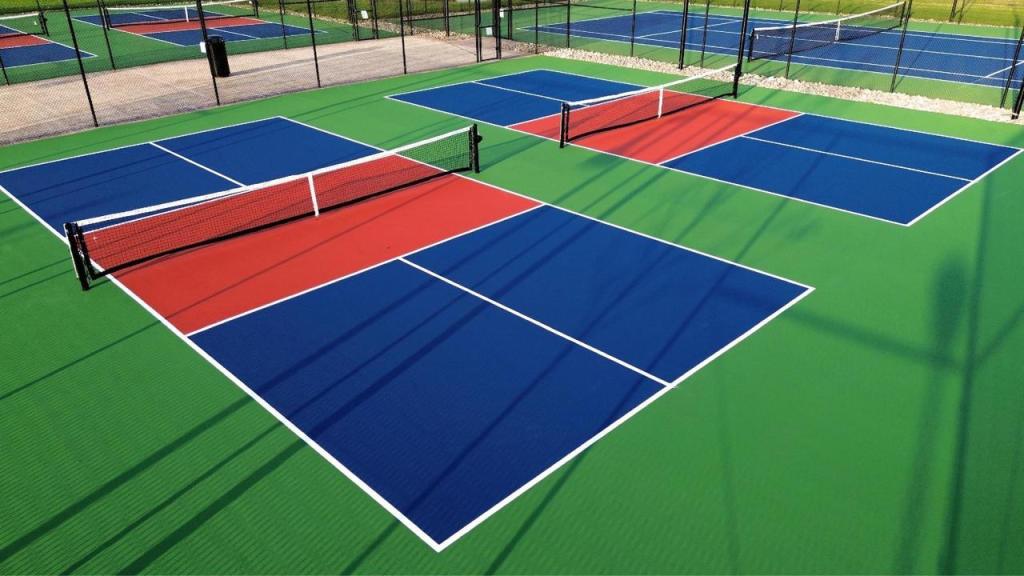
A good tennis court is more than just painted lines on a flat surface. It’s a place where early-morning players chase fitness goals, kids learn discipline, and neighbors bond over friendly matches. Across cities, schools, clubs, and housing societies, tennis courts have quietly become social hubs—spaces where health, connection, and recreation come together.
But what many people don’t realize is how much planning and care goes into creating a court that actually feels good to play on. From the base preparation to the final surface finish, every step matters. When done right, a tennis court can last decades and serve thousands of players, becoming a proud asset for any community.
Why the Surface Matters More Than You Think
When players talk about a “good court,” they’re usually describing how it feels underfoot. Does the ball bounce evenly? Is it easy on the knees? Can beginners and older players enjoy it without constant strain? All of this depends heavily on tennis court flooring, which plays a crucial role in performance, safety, and long-term durability.
Different surfaces suit different playing styles and environments. Synthetic acrylic surfaces are popular for their consistency and low maintenance, while cushioned systems are often preferred in schools and clubs because they reduce joint impact. Clay-style courts slow the game down and encourage longer rallies, making them great for training and social play. Choosing the right flooring isn’t just a technical decision—it’s about understanding who will use the court and how often.
A Court That Welcomes Everyone
Socially friendly sports spaces are inclusive by design. A well-planned tennis court should feel welcoming to beginners, children, seniors, and serious players alike. That means good drainage so courts are playable soon after rain, proper fencing for safety, and lighting that allows evening play without disturbing nearby homes.
In residential societies especially, tennis courts often become gathering spots. Parents watch their kids practice, morning walkers stop by to chat, and weekend tournaments turn into mini community events. When a court is thoughtfully designed, it naturally encourages people to spend time together instead of rushing in and out.
The Bigger Picture Behind Construction
Many people assume courts are just “laid down,” but tennis court construction is actually a layered process that demands precision. It starts with ground assessment—understanding soil conditions, slope, and drainage patterns. A strong foundation ensures the surface doesn’t crack or sink over time, which is essential in regions with heavy rains or extreme temperatures.
Next comes the base layers, followed by surfacing, line marking, and accessories like nets, posts, and fencing. Skipping steps or cutting corners may reduce upfront costs, but it almost always leads to higher repair expenses later. Communities that invest in quality construction tend to save money long-term while enjoying better playability year after year.
Health, Happiness, and Human Connection
Tennis is unique because it blends physical fitness with social interaction. Unlike solo workouts, a tennis match naturally creates conversation, laughter, and friendly competition. Courts located in schools, parks, and residential areas encourage regular movement and reduce screen time, especially for younger players.
From a social perspective, tennis courts often bridge generations. You’ll find teenagers rallying with grandparents, beginners learning from experienced players, and friendships forming between people who might never have met otherwise. A well-built court becomes a shared space where everyone feels a sense of ownership.
Maintenance: Caring for a Community Asset
Even the best courts need regular care. Simple steps like cleaning debris, checking surface wear, and repainting lines when needed can extend a court’s life significantly. When communities take responsibility for maintenance, it builds pride and respect for the shared space.
Some housing societies even organize volunteer clean-up days or small local tournaments to keep engagement high. These small efforts turn a sports facility into a living, breathing part of community culture.
More Than Just a Court
At its heart, a tennis court is not just about sport—it’s about people. It’s where routines are built, friendships grow, and healthy habits stick. When planning a new court or upgrading an old one, thinking beyond cost and aesthetics makes all the difference.
By focusing on smart design, quality materials, and inclusive use, tennis courts can continue to be places where communities connect, move, and thrive together—one rally at a time.
 Site Title
Leave a comment