Site Title

  • In the digital age, the internet has opened doors to all kinds of entertainment, games, and communities. Among them, matka—a form of lottery-style gambling—has grown from its humble roots into a more structured online experience. One of the prominent platforms associated with this trend is dpbosswin , which has attracted users looking for results, tips, and guidance related to DpBoss Satta. While the topic of satta (gambling) may seem controversial, this article aims to explore the subject from a socially aware and informative angle, shedding light on its cultural roots, modern evolution, and the importance of responsible engagement.


    🌟 What is DpBoss Satta?

    DpBoss Satta is part of a larger matka gaming culture that originated in India several decades ago. Originally, matka was a system based on betting on cotton prices, but over the years, it evolved into a numbers-based game where participants choose digits and wait for results that determine winners.

    In today’s era, platforms like DpBossWin have digitized this traditional format. They provide a central space for enthusiasts to access daily updates, game charts, guessing forums, and result declarations in real-time.

    While some see it as a form of recreational activity, others dive in with the hope of financial gain. This dual nature is why it’s important to have open, socially friendly conversations about these platforms.


    🖥️ What is DpBossWin?

    dpboss satta is a website that provides daily satta matka results, charts, and predictions. Users frequently visit it to track outcomes of popular games like Kalyan, Milan, Rajdhani, and Main Mumbai. The platform also offers guessing numbers, statistics, and forums that encourage community interaction and engagement.

    It has become a go-to source for matka players, especially those who have been following the game for years and appreciate its roots. The digital interface of DpBossWin is user-friendly and keeps people updated with real-time results.


    💬 A Social Perspective: Why Do People Play?

    It’s easy to judge a community or game from a distance, but when viewed through a sociological lens, DpBoss Satta reflects much more than gambling. It’s part of a culture—one that includes excitement, tradition, luck, and even mathematical curiosity.

    Many individuals play casually, for fun, or simply as part of a routine. It also brings together communities where players discuss strategies, share guesses, and support each other in an online setting. For them, platforms like DpBossWin are not just about numbers—but about nostalgia, connection, and shared experiences.


    ⚠️ The Need for Responsible Participation

    That said, it’s crucial to address the darker side of any betting or number-based game. It’s easy to get carried away, and some people may see it as a quick fix for financial challenges. This is where responsible participation becomes essential.

    If you’re someone exploring DpBoss Satta, set strict limits on how much time or money you invest. Don’t chase losses or bet amounts you can’t afford to lose. Recognize the difference between fun and compulsion. Many platforms now include warnings and disclaimers urging users to play responsibly, which is a welcome step.


    📱 The Digital Transition and Its Influence

    One of the key reasons for the rise of DpBossWin is its digital presence. Previously, players had to rely on local agents or physical bulletin boards for updates. Now, with just a mobile phone, anyone can access data and participate in discussions.

    This shift has increased transparency, speed, and convenience. It also highlights the ongoing digital transformation in traditional Indian pastimes. Whether it’s card games, rummy, or matka, the internet has brought them into a new era.


    🧠 A Game of Strategy?

    Interestingly, many people don’t see satta as pure gambling. There’s a belief among some circles that DpBoss Satta involves analysis, strategy, and number probability. While the outcome is still largely chance-based, seasoned players often develop their own systems and theories.

    They analyze past results, look at number frequencies, and even follow astrological patterns to make predictions. While this doesn’t guarantee success, it adds a layer of thought and excitement to the process.


    🤝 Conclusion: Be Aware, Be Smart

    The world of DpBossWin and DpBoss Satta is vast, vibrant, and evolving. It’s tied to Indian gaming culture, and for many, it’s a source of thrill and entertainment. But like anything else that involves money and emotions, it should be approached with caution, understanding, and balance.

    Always treat such games as a pastime, not a profession or solution to financial stress. With responsible behavior and awareness, it’s possible to enjoy the social side of these platforms without falling into traps.

    So whether you’re a curious visitor or a long-time player, stay informed, stay smart, and let enjoyment—not addiction—be your guide.

  • If you travel on highways often—whether for work, family visits, or road trips—you already know how important FASTag has become in India. It saves time, reduces traffic at toll plazas, and makes journeys smoother. Now, many people are curious about the fastag annual pass, especially how it works, who should buy it, and whether it actually saves money.

    Let’s break it down in simple, friendly language so anyone can understand it—no technical jargon, no confusion.


    What Is a FASTag Annual Pass?

    A FASTag annual pass is designed for people who frequently use toll roads. Instead of paying toll charges again and again for the same route, this pass allows multiple trips for a fixed period—usually one year—depending on government rules and eligibility.

    For daily commuters, transport professionals, and families who regularly travel between cities, this option can feel like a big relief. You don’t have to worry about frequent recharges or toll deductions every time you cross a plaza.


    Why People Prefer an Annual Pass

    The biggest reason people look for an annual pass is fastag annual pass in hindi. No stopping, no cash, no repeated payments. Everything feels smoother and more predictable.

    Here are a few simple benefits:

    • Saves time at toll booths
    • Reduces repeated FASTag recharge stress
    • Ideal for fixed routes or daily highway use
    • Helps in planning yearly travel expenses
    • Less mental load during long drives

    For many users, the peace of mind itself is worth it.


    FASTag Annual Pass in Hindi: Kyun Hai Logon Ke Liye Useful?

    India is a diverse country, and a large number of users prefer information in Hindi. That’s why fastag annual pass in hindi searches are increasing rapidly. People want clarity in their own language before making a decision.

    Hindi-speaking users often ask:

    • Kya yeh pass sab ke liye hota hai?
    • Kaun se routes par valid hota hai?
    • Ek saal mein kitni baar use kar sakte hain?

    When information is available in Hindi, trust increases. Users feel more confident and informed, which leads to better adoption and fewer mistakes during application or usage.


    Who Should Consider a FASTag Annual Pass?

    Not everyone needs an annual pass, but for some people, it makes perfect sense.

    You should consider it if:

    • You travel daily or weekly on highways
    • Your route includes the same toll plazas
    • You want predictable toll expenses
    • You prefer stress-free, non-stop travel

    If you only use highways occasionally, a normal FASTag recharge may be enough. But frequent travelers often feel the difference within a few months.


    How Does It Work in Real Life?

    Once activated, the pass is linked to your FASTag account. Each time you cross an eligible toll plaza, the system automatically allows passage without deducting the usual per-trip toll amount—depending on the rules of the pass.

    You still need to ensure:

    • Your FASTag is properly affixed
    • Vehicle details are correct
    • The pass is active and valid

    Everything else happens automatically in the background.


    Common Myths People Believe

    Some people hesitate because of misinformation. Let’s clear a few things up:

    • ❌ “Annual pass works on all highways”
      ✔️ Usually limited to specific routes or plazas
    • ❌ “It’s only for commercial vehicles”
      ✔️ Many private vehicle users are eligible too
    • ❌ “It’s complicated to manage”
      ✔️ Once activated, it’s actually simpler

    Understanding these points helps avoid confusion and disappointment later.


    Final Thoughts

    The idea behind the FASTag annual pass is simple—make highway travel easier, faster, and less stressful. For regular highway users, it can be a smart long-term choice. For others, knowing how it works helps in deciding whether it fits their travel habits.

    As awareness grows, more people are searching for reliable, clear explanations—especially in Hindi—so they can make informed decisions without pressure.

    If you travel often and value convenience, this option is definitely worth exploring. Sometimes, a smoother journey starts with just one smart choice. 🚗✨

  • A good tennis court is more than just painted lines on a flat surface. It’s a place where early-morning players chase fitness goals, kids learn discipline, and neighbors bond over friendly matches. Across cities, schools, clubs, and housing societies, tennis courts have quietly become social hubs—spaces where health, connection, and recreation come together.

    But what many people don’t realize is how much planning and care goes into creating a court that actually feels good to play on. From the base preparation to the final surface finish, every step matters. When done right, a tennis court can last decades and serve thousands of players, becoming a proud asset for any community.

    Why the Surface Matters More Than You Think

    When players talk about a “good court,” they’re usually describing how it feels underfoot. Does the ball bounce evenly? Is it easy on the knees? Can beginners and older players enjoy it without constant strain? All of this depends heavily on tennis court flooring, which plays a crucial role in performance, safety, and long-term durability.

    Different surfaces suit different playing styles and environments. Synthetic acrylic surfaces are popular for their consistency and low maintenance, while cushioned systems are often preferred in schools and clubs because they reduce joint impact. Clay-style courts slow the game down and encourage longer rallies, making them great for training and social play. Choosing the right flooring isn’t just a technical decision—it’s about understanding who will use the court and how often.

    A Court That Welcomes Everyone

    Socially friendly sports spaces are inclusive by design. A well-planned tennis court should feel welcoming to beginners, children, seniors, and serious players alike. That means good drainage so courts are playable soon after rain, proper fencing for safety, and lighting that allows evening play without disturbing nearby homes.

    In residential societies especially, tennis courts often become gathering spots. Parents watch their kids practice, morning walkers stop by to chat, and weekend tournaments turn into mini community events. When a court is thoughtfully designed, it naturally encourages people to spend time together instead of rushing in and out.

    The Bigger Picture Behind Construction

    Many people assume courts are just “laid down,” but tennis court construction is actually a layered process that demands precision. It starts with ground assessment—understanding soil conditions, slope, and drainage patterns. A strong foundation ensures the surface doesn’t crack or sink over time, which is essential in regions with heavy rains or extreme temperatures.

    Next comes the base layers, followed by surfacing, line marking, and accessories like nets, posts, and fencing. Skipping steps or cutting corners may reduce upfront costs, but it almost always leads to higher repair expenses later. Communities that invest in quality construction tend to save money long-term while enjoying better playability year after year.

    Health, Happiness, and Human Connection

    Tennis is unique because it blends physical fitness with social interaction. Unlike solo workouts, a tennis match naturally creates conversation, laughter, and friendly competition. Courts located in schools, parks, and residential areas encourage regular movement and reduce screen time, especially for younger players.

    From a social perspective, tennis courts often bridge generations. You’ll find teenagers rallying with grandparents, beginners learning from experienced players, and friendships forming between people who might never have met otherwise. A well-built court becomes a shared space where everyone feels a sense of ownership.

    Maintenance: Caring for a Community Asset

    Even the best courts need regular care. Simple steps like cleaning debris, checking surface wear, and repainting lines when needed can extend a court’s life significantly. When communities take responsibility for maintenance, it builds pride and respect for the shared space.

    Some housing societies even organize volunteer clean-up days or small local tournaments to keep engagement high. These small efforts turn a sports facility into a living, breathing part of community culture.

    More Than Just a Court

    At its heart, a tennis court is not just about sport—it’s about people. It’s where routines are built, friendships grow, and healthy habits stick. When planning a new court or upgrading an old one, thinking beyond cost and aesthetics makes all the difference.

    By focusing on smart design, quality materials, and inclusive use, tennis courts can continue to be places where communities connect, move, and thrive together—one rally at a time.

  • If you own a vehicle in India, you’ve probably heard people talking about HSRP number plates. Some say they’re mandatory, others say they help avoid fines, and a few just find the whole process confusing. That’s where platforms like book my hsrp come into the picture, making the entire experience easier, faster, and stress-free for everyday vehicle owners.

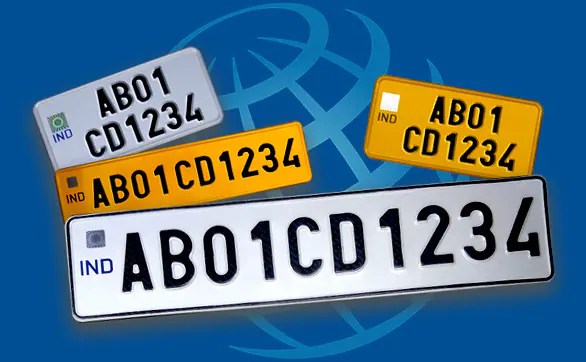
    High Security Registration Plates, commonly known as HSRP, were introduced to improve road safety and reduce vehicle-related fraud. These plates come with laser-etched codes, tamper-proof locks, and standardized fonts that make vehicles easier to identify. While the rule applies nationwide, many people delay getting it done simply because they don’t know where to start.

    Why HSRP Matters More Than You Think

    At first glance, an HSRP might feel like “just another rule.” But in reality, it serves a bigger purpose. These plates make it difficult for criminals to clone vehicle numbers or misuse stolen vehicles. For traffic authorities, it becomes easier to track vehicles involved in violations. For you as a vehicle owner, it means fewer headaches during checks and no unnecessary fines.

    Many states have already started strict enforcement, and traffic police are actively checking vehicles without HSRP plates. If you’re still using an old or local number plate, switching sooner rather than later is a smart move.

    What Is Book My HSRP and How Does It Help?

    Book My HSRP is an official online booking system that allows vehicle owners to order their high-security number plates from authorized vendors. Instead of standing in long queues or dealing with agents, you can complete the process online in just a few minutes.

    The platform is designed to be user-friendly. You simply enter your vehicle details, select a fitment location, choose a date and time slot, and make the payment. That’s it. On the chosen day, your HSRP plate is either fitted at the center or delivered as per your state’s process.

    Using BookMyHSRP.com the Right Way

    The official website book my hsrp com is the only recommended source for booking your HSRP. It ensures that the plates are genuine, government-approved, and installed correctly. Many fake websites and agents try to overcharge people, so sticking to the official portal is important.

    Once on the site, you’ll need basic details like your vehicle registration number, chassis number (last few digits), engine number, and registered mobile number. After booking, you receive a confirmation message and appointment details, keeping everything transparent and trackable.

    A Smooth Experience for Busy People

    One of the biggest advantages of online booking is convenience. Not everyone has time to visit an RTO during working hours. With online booking, you can schedule your appointment according to your availability. This is especially helpful for office-goers, business owners, and people living in busy cities.

    Another plus is clarity in pricing. The cost is fixed and displayed upfront, so there are no surprises. You pay once and get a standardized, legally compliant number plate without running from one office to another.

    Common Mistakes to Avoid

    While the process is simple, some people still make small mistakes. Entering incorrect vehicle details can delay your appointment. Always double-check your registration number and chassis details before submitting. Also, avoid booking through unofficial sources that promise “faster delivery” for extra money—it often leads to trouble later.

    If you miss your appointment, most centers allow rescheduling, but it’s better to plan carefully and reach on time with the required documents.

    Final Thoughts

    Getting an HSRP number plate is no longer optional—it’s a necessary step for every vehicle owner. Thankfully, platforms like Book My HSRP have made the process straightforward and accessible. By using the official Book My HSRP com portal, you ensure compliance with the law, avoid penalties, and contribute to safer roads.

    If you haven’t booked your HSRP yet, now is the right time. A few minutes on

  • In recent years, road safety and vehicle traceability have become top priorities for authorities across India. One key step toward achieving this has been the mandatory implementation of High-Security Registration Plates (HSRPs) for all vehicles, including older models. These plates are tamper-proof, laser-etched with unique codes, and designed to prevent theft, forgery, and misuse. If you’re wondering how to proceed with getting one for your car or bike, you’re in the right place.

    Thanks to the digital revolution, you no longer need to stand in long queues or visit multiple offices. You can now book my hsrp online in just a few clicks, saving both time and effort. This convenient system allows vehicle owners to stay compliant with government rules from the comfort of their homes.


    What is an HSRP Number Plate?

    An HSRP, or High-Security Registration Plate, is a standardized vehicle number plate introduced by the Ministry of Road Transport and Highways. These plates are made of aluminium and come with features like a unique laser-etched code, a chromium-based hologram, and a snap-lock that permanently attaches it to the vehicle.

    The aim is not just to prevent fraud, but also to help law enforcement track vehicles more efficiently. In fact, every hsrp number plate is linked to a central database that stores the vehicle’s registration details, chassis number, engine number, and more.


    Why You Need an HSRP

    If you’re driving around without one, you’re technically violating traffic laws—and the fines can be hefty. Beyond legality, there are solid reasons to get an HSRP:

    • Better security: HSRPs make your vehicle less vulnerable to theft.
    • Standardization: All vehicles will have a uniform plate format, reducing confusion and forgery.
    • Easy identification: The laser code helps authorities identify vehicles in hit-and-run or stolen vehicle cases.
    • Compliance: Many states have started issuing fines to vehicles without HSRPs. Some fuel stations have even denied service to non-compliant vehicles.

    Who Needs to Book an HSRP?

    If you bought your vehicle before April 2019, chances are you still have the old number plate format. In such cases, it’s mandatory to get an HSRP. Most new vehicles now come pre-fitted with HSRPs from the dealership, so you likely won’t need to worry if your car or bike is recent.

    States like Delhi, Uttar Pradesh, and Punjab have already made HSRPs compulsory for all vehicles, regardless of age. So, it’s better not to wait until you’re pulled over or fined—take action now.


    How to Book an HSRP Online

    The process is straightforward. Here’s a quick step-by-step guide:

    1. Visit the official website: Go to the HSRP booking site relevant to your state or use the centralized portal (bookmyhsrp.com in many states).
    2. Select your vehicle type: Two-wheeler or four-wheeler.
    3. Enter vehicle details: Provide your vehicle registration number, chassis number, and engine number.
    4. Choose fitment location: Select a dealer or service center for the plate installation.
    5. Pick an appointment date: Choose a convenient slot for the fitment.
    6. Make payment: The charges vary depending on vehicle type but are generally reasonable.
    7. Receive confirmation: You’ll get an SMS and email confirmation with all the details.

    Make sure to carry your original RC (Registration Certificate) and appointment receipt on the day of fitment.


    Cost of HSRP

    The price for an HSRP varies depending on your vehicle type and state. On average, it ranges from ₹400–₹600 for two-wheelers and ₹700–₹1100 for four-wheelers. Some portals also offer an optional color-coded fuel sticker for BS4 and BS6 vehicles at a nominal additional cost.


    Common FAQs

    Q: How long does it take to get an HSRP?
    Once you book an appointment online, the process usually takes 3–5 working days depending on availability and location.

    Q: Is it compulsory to get the color-coded sticker as well?
    Yes, for petrol, diesel, CNG, and electric vehicles in many states, the color-coded sticker is also mandatory. It indicates the vehicle’s fuel type and helps enforcement agencies monitor emissions compliance.

    Q: Can I choose a home delivery option?
    Some portals do offer doorstep installation in selected cities, but it’s best to check if the option is available during the booking process.


    Final Thoughts

    The shift toward HSRP is part of a broader initiative to modernize India’s vehicle tracking and registration systems. While the idea of replacing your old number plate might feel like a hassle at first, the long-term benefits in terms of safety and legal compliance make it more than worthwhile.

    If you haven’t already, it’s time to go online and book my hsrp before it becomes a problem. It’s quick, affordable, and future-proof—just like your ride deserves.

  • If you regularly drive on Indian highways, toll payments are probably a familiar (and sometimes annoying) part of your journey. Long queues, cash hassles, and last-minute balance checks used to slow everyone down. That’s exactly why FASTag was introduced — and now, the fastag annual pass in hindi is becoming an even more practical option for frequent travellers.

    In this article, we’ll break down what the FASTag annual pass really means, who should consider it, how it works, and why it’s gaining popularity among Indian commuters. We’ll also touch briefly on fastag annual pass so Hindi-speaking users can better understand the concept.


    What Is a FASTag Annual Pass?

    A FASTag annual pass is a prepaid toll solution designed mainly for people who use highways regularly. Instead of paying toll charges individually on every trip, users pay a fixed amount upfront for a defined period — usually one year — and enjoy smoother, faster travel at toll plazas.

    The idea is simple: less stopping, fewer deductions, and predictable toll expenses. Once activated, toll fees are automatically managed through your FASTag account without the stress of frequent recharges.


    Who Should Consider an Annual Pass?

    Not everyone needs an annual pass, but for some drivers, it makes a lot of sense. You should consider it if:

    • You commute daily or weekly on national highways
    • You travel frequently between the same cities or routes
    • You want to avoid repeated toll deductions
    • You prefer fixed yearly road expenses

    Private car owners, small business operators, and professionals who travel often for work are the biggest beneficiaries.


    How Does the FASTag Annual Pass Work?

    Once you purchase and activate the pass, it is linked directly to your vehicle’s FASTag. At toll plazas, scanners read your FASTag as usual, but instead of deducting money per trip, the pass conditions apply.

    Depending on the type of annual pass available for your route or category, toll usage may be unlimited or capped within fair usage limits. The exact structure can vary, so it’s always good to check the official details before purchasing.


    Benefits of Using a FASTag Annual Pass

    The biggest advantage is convenience, but there’s more to it than that:

    1. Time saving – No waiting in cash lanes or dealing with slow transactions
    2. Cost control – Fixed payment helps with budgeting travel expenses
    3. Less stress – No constant recharge reminders
    4. Eco-friendly – Reduced fuel wastage at toll booths
    5. Digital tracking – All usage is recorded transparently

    For people who value smooth travel, these benefits add up quickly.


    Understanding FASTag Annual Pass in Hindi

    Many users search for fastag annual pass in hindi because government schemes and banking terms can sometimes feel confusing in English. In simple Hindi, FASTag वार्षिक पास का मतलब है एक तय रकम देकर पूरे साल टोल प्लाज़ा पर आसानी से सफर करना।

    यह पास खास तौर पर उन लोगों के लिए फायदेमंद है जो रोज़ या बार-बार हाईवे पर सफर करते हैं। इससे टोल पर रुकने की ज़रूरत कम हो जाती है और पैसे भी आसानी से मैनेज होते हैं।


    How to Apply for a FASTag Annual Pass

    The process is usually straightforward:

    • Log in to your FASTag issuer’s official website or app
    • Check eligibility for annual pass options
    • Submit vehicle details and required documents
    • Make the payment online
    • Activate the pass on your existing FASTag

    Once approved, you can start using it almost immediately.


    Things to Keep in Mind

    Before buying an annual pass, consider these points:

    • Pass benefits may vary by route or toll authority
    • Some passes are non-refundable
    • Usage limits may apply
    • Validity is vehicle-specific

    Reading the terms carefully helps avoid confusion later.


    Final Thoughts

    India’s highway infrastructure is improving rapidly, and digital toll solutions are playing a big role in that progress. The FASTag annual pass is not just about saving time at toll booths — it’s about making highway travel smoother, more predictable, and less stressful.

  • India’s highway travel has changed a lot in recent years. Standing in long toll queues, searching for cash, or arguing about change is slowly becoming a thing of the past. FASTag has made toll payments smoother, faster, and more transparent. But once people start using FASTag regularly, a common question comes up: should you go for a monthly or an annual pass, and how do these options really work in daily life?

    Let’s break it down in a simple, human way—no technical jargon, no confusion.


    Understanding FASTag Monthly Pass Usage

    For people who travel the same toll plaza frequently—like office commuters, transport operators, or business owners—a monthly pass can feel like a practical choice. Instead of paying every single time you cross the toll, you pay a fixed amount upfront for a defined route.

    The fastag monthly pass price usually depends on the toll plaza and the vehicle category. For private cars, this pass is often priced in a way that becomes cost-effective if you cross the same toll more than 20–25 times a month. In many cases, the pass allows unlimited or capped trips for a specific stretch, which can significantly reduce daily travel stress.

    What makes the monthly pass appealing is predictability. You know your toll cost in advance, and your FASTag balance isn’t being deducted randomly every day. For people with fixed routines—like daily office travel or local logistics work—this option often feels like money well spent.


    When a Monthly Pass Makes Sense (and When It Doesn’t)

    A monthly pass is best suited for people who travel the same route again and again. If your route changes frequently or you take highways only once or twice a month, the savings may not justify the cost.

    Also, monthly passes are usually toll-plaza specific. That means if you suddenly change your route or start using a different highway, the pass won’t apply there. This is something many users realize only after purchasing it, so it’s always good to think about your real travel pattern before opting in.


    Exploring Annual Pass Options for Frequent Travelers

    Now let’s talk about the bigger picture—annual passes. Many users are now looking at fastag annual pass online options because they want long-term convenience instead of month-by-month planning.

    An annual FASTag pass is typically designed for users who are extremely regular highway travelers. Instead of renewing a pass every month, you pay once and enjoy extended validity. This not only saves time but often works out cheaper when calculated over 12 months.

    Buying an annual pass online is usually straightforward. Most issuing banks and FASTag platforms allow you to log in, check eligibility for your toll route, and complete the process digitally. No paperwork, no physical visits—just a few clicks.


    Online Purchase: Why It Matters

    The online process has made FASTag passes far more accessible. You can compare options, check pricing, and activate services without standing in queues. Online dashboards also help you track usage, validity dates, and renewal reminders.

    Another advantage is transparency. When you buy passes online, you clearly see the terms—how many trips are allowed, which toll plaza is covered, and what happens after expiry. This reduces confusion and avoids unpleasant surprises at toll booths.


    Monthly vs Annual: Which One Should You Choose?

    There’s no one-size-fits-all answer here. If your travel is consistent but you’re unsure about long-term plans, starting with a monthly pass is a safe move. It lets you test whether the savings are real for your routine.

    On the other hand, if you already know that your travel pattern won’t change much throughout the year, an annual pass can bring peace of mind. No repeated renewals, fewer deductions to track, and often better value over time.


    Final Thoughts

    FASTag passes are all about making travel easier, not more complicated. Whether you choose a monthly or annual option, the goal is the same—smooth journeys, predictable expenses, and less hassle at toll plazas.

  • You don’t really notice a good pickleball court at first. That’s kind of the point. When the surface is right, the game flows, your feet trust the ground, and the sound of the paddle meeting the ball feels clean instead of hollow or harsh. It’s only when something’s off—a slippery patch, a dead bounce, a sore knee the next morning—that you realise how much the floor beneath you matters.

    As pickleball keeps growing beyond parks and retirement communities into schools, clubs, and backyard builds, more people are asking thoughtful questions about surfaces. Not the flashy stuff, but the practical, lived-in details. What holds up over time? What feels good to play on? What won’t become a regret after one harsh summer or a rainy season?

    More Than Paint on Concrete

    It’s tempting to think a court is just a slab with some lines. That assumption usually fades after a few games. A proper pickleball court flooring setup affects everything from player safety to how long the court stays playable without constant fixes.

    Concrete and asphalt are still common bases, especially outdoors, but the real story starts on top of them. Surface layers are designed to manage grip, cushion impact, and handle weather stress. A slightly textured finish can prevent slips without stealing speed from the ball. A bit of flex can take the edge off repetitive footwork, which matters more than people think—especially for regular players.

    Indoor courts tell a different story. Gyms and multipurpose halls often adapt existing floors, but not all surfaces translate well to pickleball. Too smooth and it’s risky. Too soft and the ball response gets unpredictable. The balance is subtle, and it’s usually learned through use, not brochures.

    The Feel Under Your Feet

    Ask ten players what makes a court “good” and you’ll get ten slightly different answers. Some talk about bounce consistency. Others mention joint comfort. A few will say it just feels right.

    That feeling usually comes from the pickleball court material chosen for the surface layer. Acrylic systems, modular tiles, and cushioned coatings each create a different playing experience. Acrylic coatings, for example, are popular outdoors because they’re durable, colour-stable, and relatively easy to maintain. Modular tiles snap together and allow drainage, which can be a lifesaver in wet climates, though some players find the bounce a touch livelier.

    There’s no universal best option—just better or worse choices depending on how and where the court will be used. A community centre with heavy daily play has different needs than a private backyard court used on weekends.

    Weather, Wear, and Real Life

    One thing that doesn’t get talked about enough is how courts age. Sun fades colour. Freeze–thaw cycles create hairline cracks. Even fallen leaves can stain or affect traction if they’re left too long.

    Outdoor surfaces need to breathe and move a little without failing. Indoor ones need to resist scuffing and moisture from shoes brought in on rainy days. Maintenance matters, but smart material choices can reduce how often you’ll need to think about it at all.

    This is where long-term thinking beats short-term savings. Cheaper systems can look fine in year one and become patchy or unsafe by year three. Better surfaces tend to age quietly, without drama, which is exactly what most players want.

    Why Players Talk About Bounce So Much

    Bounce consistency is the unglamorous heart of the game. If the ball reacts differently in different spots, rallies break down and frustration creeps in. Good pickleball flooring manages micro-variations—tiny surface changes you might not see but absolutely feel during play.

    That’s why proper installation matters just as much as materials. Even the best surface can disappoint if the base isn’t level or if coatings are applied unevenly. It’s also why many experienced players can tell within five minutes whether a court was built thoughtfully or rushed.

    Indoor vs Outdoor: Same Game, Different Needs

    Indoor pickleball often shares space with basketball, badminton, or volleyball. The surface has to work for everyone, which means compromise. Outdoor courts, on the other hand, can be purpose-built, but they’re exposed to everything nature throws at them.

    Lighting, drainage, temperature swings, and surrounding trees all influence surface choice. A court in a dry, sunny region might thrive with one system, while the same setup could struggle somewhere humid or cold. Context matters more than marketing claims.

    The Human Side of Court Design

    What gets overlooked in technical discussions is how personal this all becomes. For some players, pickleball is social—a reason to move, laugh, and connect. For others, it’s competitive, fast, and demanding. The surface should support both without drawing attention to itself.

    A well-chosen court doesn’t announce its quality. It simply lets the game happen. Players leave tired but satisfied, not sore or annoyed. That’s when you know the choices behind the scenes were made with care.

    Ending Where the Game Begins

    At the end of the day, the best pickleball courts aren’t defined by specs alone. They’re defined by how they’re used—by the morning regulars, the weekend beginners, the kids learning to keep score, and the retirees who play three times a week because it makes them feel good.

    If you’re planning or upgrading a court, slow down a little. Ask how it will be played on, not just how it will look on day one. The right surface doesn’t shout for attention. It earns trust, rally by rally, season after season.

  • A good tennis court doesn’t shout for attention. It feels right underfoot. The bounce is honest. The surface forgives your knees just enough, but not so much that the game loses its edge. Most players never think about what lies beneath their feet, and that’s fine — when a court is built properly, it disappears into the experience of play. But behind that quiet reliability is a chain of decisions, materials, and workmanship that matter far more than people realise.

    I’ve spent time around court builders, facility managers, and club owners, and they’ll all tell you the same thing in different words: shortcuts always show up later. Cracks, dead spots, puddles that refuse to drain — these are rarely surface problems. They’re stories written much earlier in the build.

    Starting from the Ground Up (Literally)

    Before colour choices or line markings ever enter the conversation, everything begins with the ground. Soil testing isn’t glamorous, but it’s essential. Clay-heavy ground behaves very differently from sandy subsoil, especially after heavy rain or seasonal temperature changes.

    This is where tennis court base construction quietly does most of the heavy lifting. A well-prepared base distributes loads evenly, resists movement, and gives the surface above it a stable partner to work with. Typically, this involves excavation, compaction, crushed stone layers, and precise grading. Miss one step, rush another, and the court may look perfect on opening day — but time will not be kind.

    One contractor once joked that you don’t build courts for the first year; you build them for year ten. He wasn’t wrong.

    Why Drainage Is the Unsung Hero

    Water is the enemy of longevity. Not dramatic flooding — just everyday moisture that seeps in, expands, contracts, and slowly does damage. Proper drainage systems aren’t optional extras; they’re foundational.

    Good drainage ensures rainwater moves away from the playing area quickly and predictably. This protects the base layers, prevents freeze-thaw damage in colder climates, and keeps play interruptions to a minimum. Players may thank the surface, but engineers know the drains deserve a nod too.

    Hard Courts: Fast, Familiar, and Surprisingly Complex

    Hard courts are everywhere — schools, clubs, public parks, private residences. They’re popular for good reason: consistent bounce, relatively low maintenance, and suitability for all skill levels. But “hard” doesn’t mean simple.

    Choosing the right tennis hard court surface material affects pace, comfort, and durability. Acrylic systems are common, but not all acrylics are created equal. Cushion layers can be added to reduce joint impact, while texture coatings influence grip and speed. Some courts play lightning-fast; others slow the ball just enough to encourage longer rallies.

    What’s interesting is how personal this choice becomes. Competitive clubs often want predictable speed and tournament-style play. Community courts lean toward durability and safety. Neither is wrong — but clarity of purpose matters.

    Synthetic Surfaces and Modern Expectations

    Over the past decade, expectations around performance and maintenance have shifted. Facilities want surfaces that last longer, require fewer repairs, and adapt to heavy use without constant downtime. This is where synthetic tennis court material has carved out a strong reputation.

    Modern synthetic systems are engineered with layers that work together: shock absorption, weather resistance, and surface consistency. They’re not just about aesthetics or convenience — they’re about predictability. When a player steps onto the court after a week of rain or a stretch of intense heat, the experience should feel familiar.

    That reliability builds trust, and trust keeps players coming back.

    It’s Not Just Materials — It’s Craft

    Even the best materials can fail in unskilled hands. Installation is where theory meets reality. Layer thickness, curing times, weather conditions during application — all of these variables influence the final result.

    I’ve seen beautifully specified courts ruined by rushed timelines and budget pressure. I’ve also seen modest projects shine because the installers treated each step with care. There’s a quiet pride among good court builders. They know their work won’t be noticed when done right — and that’s the point.

    Maintenance Is a Relationship, Not a Chore

    No court is truly “set and forget.” Regular cleaning, minor crack repairs, and timely resurfacing extend lifespan dramatically. Ignoring small issues almost guarantees larger, more expensive problems later.

    What surprises many owners is how manageable maintenance becomes when the original build is solid. A strong base, proper drainage, and suitable surface materials reduce ongoing costs and stress. Maintenance then becomes routine rather than reactive.

    Thinking Long-Term Pays Off

    Building or resurfacing a tennis court is a significant investment, financially and emotionally. Clubs see it as part of their identity. Homeowners see it as a lifestyle feature. In both cases, the temptation to cut costs early can be strong — and understandable.

  • With stricter traffic rules and growing concerns about vehicle security, High Security Registration Plates (HSRP) have become mandatory for most vehicles in India. If you own a car or bike and still don’t have an HSRP, booking it online is the easiest and safest option today. Platforms like book my hsrp com make the entire process simple, transparent, and hassle-free for vehicle owners.

    In this guide, we’ll explain what HSRP is, why it’s important, how online booking works, and what you should know before placing your order.


    What Is a High Security Number Plate?

    A High Security Number Plate (HSRP) is a standardized vehicle registration plate introduced by the Government of India. It is designed to prevent vehicle theft, duplication of number plates, and misuse of vehicles for illegal activities.

    An HSRP comes with:

    • A chromium-based hologram
    • Laser-etched unique identification number
    • Tamper-proof snap locks
    • Non-removable design

    These features make it almost impossible to duplicate or replace the plate once installed, ensuring better vehicle tracking and security.


    Why Is HSRP Mandatory?

    HSRP has been made compulsory across many states to improve road safety and law enforcement. Vehicles without HSRP may face:

    • Heavy traffic fines
    • Challans during routine checks
    • Issues during resale or transfer
    • Problems with insurance claims

    Installing an HSRP keeps you compliant with government regulations and avoids unnecessary penalties.


    How Online Booking Makes It Easy

    Earlier, getting a number plate involved visiting RTOs or local agents, which was time-consuming and confusing. Now, online portals allow vehicle owners to book their plates from home.

    Using trusted platforms like book my high security no plate, users can:

    • Enter vehicle registration details
    • Select fitment location and date
    • Make secure online payment
    • Get official, government-approved HSRP plates

    The entire process usually takes only a few minutes.


    Step-by-Step Process to Book HSRP Online

    Here’s how you can book your High Security Number Plate online:

    1. Visit the official booking website
      Go to an authorized HSRP portal approved for your state.
    2. Enter vehicle details
      Provide your registration number, chassis number, and engine number.
    3. Choose fitment location
      Select a nearby authorized dealer or fitment center.
    4. Select appointment date & time
      Pick a convenient slot for installation.
    5. Make online payment
      Pay securely using UPI, debit card, credit card, or net banking.
    6. Visit the fitment center
      On the scheduled date, get your HSRP installed by professionals.

    What Documents Are Required?

    The booking process is simple and requires minimal documentation:

    • Vehicle Registration Number
    • Chassis Number (last 5 digits)
    • Engine Number (last 5 digits)
    • Valid mobile number

    No physical documents are usually required during booking, though you may be asked to carry RC during fitment.


    Book My High Security No Plate: Common Questions

    Many vehicle owners search for book my high security no plate because they want clarity on pricing and timelines.

    Cost:
    The price of HSRP generally depends on vehicle type:

    • Two-wheelers: Lower cost
    • Four-wheelers: Slightly higher cost
      Prices are fixed by the government, so there is no overcharging.

    Delivery & Installation Time:
    Most users receive installation within 3–7 working days after booking, depending on availability and state guidelines.


    Benefits of Booking HSRP Online

    Booking your HSRP online offers several advantages:

    • Saves time and effort
    • Transparent pricing
    • Government-approved plates
    • Secure digital payment
    • Easy appointment scheduling
    • Reduced risk of fraud or fake plates

    Online booking also ensures that your vehicle details are correctly mapped in official databases.


    Final Thoughts

    High Security Number Plates are no longer optional—they are a legal requirement and an important safety feature for every vehicle owner. Online portals like book my hsrp com have made the process smooth, fast, and reliable, removing the confusion that existed earlier.

    If you haven’t installed your HSRP yet, now is the right time to act. Booking online ensures compliance with the law, protects your vehicle from misuse, and gives you peace of mind on the road.

Design a site like this with WordPress.com
Get started